The dynasty
The Habsburgs
Twenty-three rulers across more than four centuries, from a Tyrolean archduke's 1486 guldiner to the empire's final emperor in 1916. Each portrait links through to that ruler's coins in the collection.
Habsburg Line
Archduke Sigismund of Austria
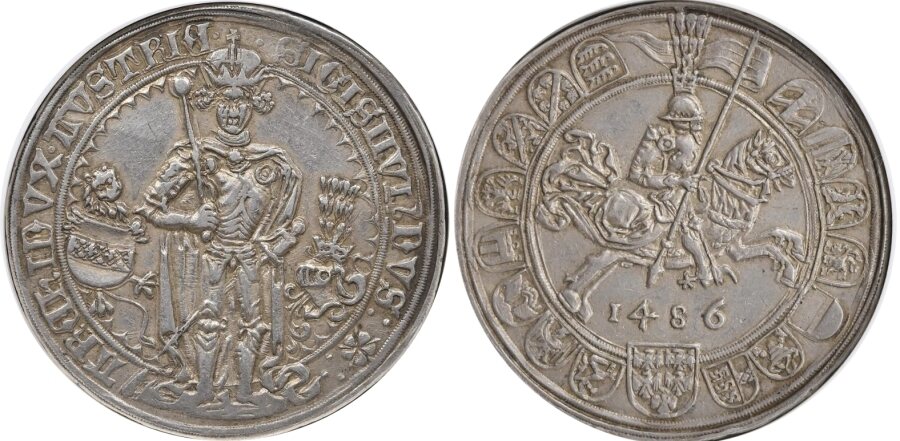
1446–1490Ruled Tyrol and the surrounding Alpine lands from Innsbruck, a region whose silver mines made it one of the richest corners of the Habsburg holdings. In 1486, facing a currency clogged with debased small coins, he ordered the Hall mint to strike a large new silver piece worth a full gold gulden — the guldiner. It was heavier and purer than anything then circulating, and within decades other German princes were copying its size and weight. Sigismund sold his rights to Tyrol to his cousin Maximilian I in 1490, but the coin he commissioned outlived him by centuries under a different name: the taler.
Maximilian I
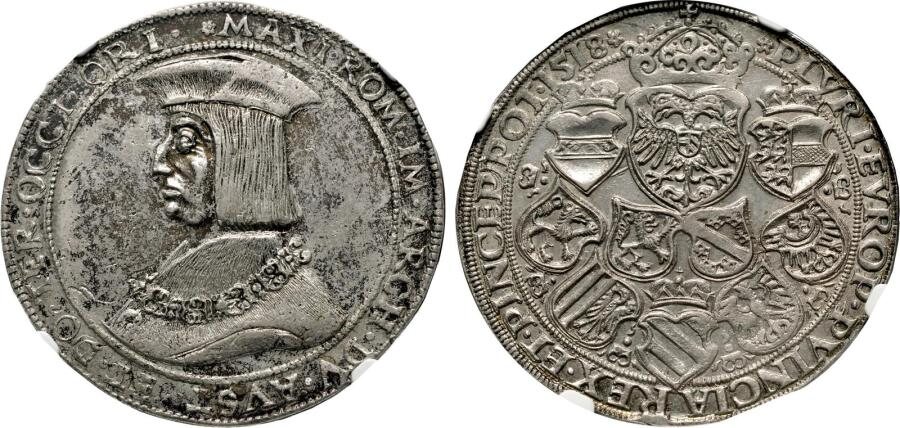
1508–1519Called “the last knight” for his taste for jousting and chivalric pageantry, Maximilian was also a shrewd dynastic strategist. His own marriage to Mary of Burgundy brought the wealthy Low Countries into Habsburg hands, and he arranged his son Philip's marriage into the Spanish royal family and his grandchildren's marriages into the Hungarian and Bohemian courts — a chain of alliances summed up in the Latin motto later attached to the family: let others wage war; you, happy Austria, marry. By the time of his death the family's territory stretched from the Netherlands to the edge of the Balkans.
Ferdinand I
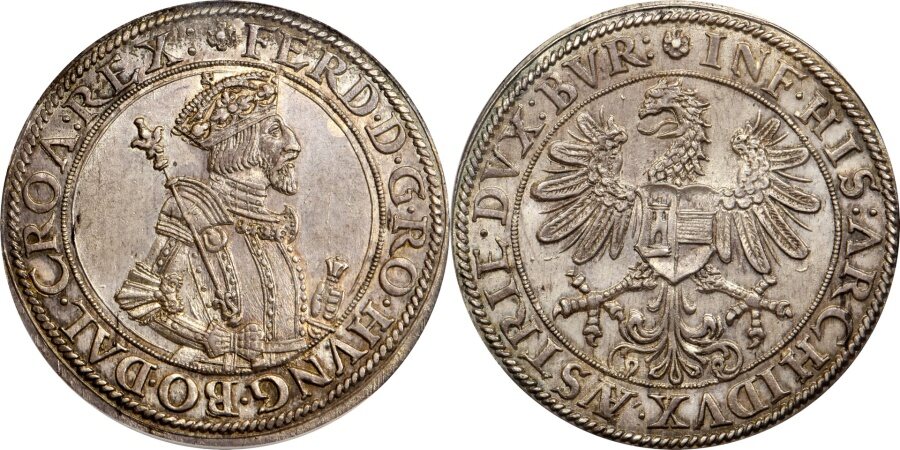
1521–1564When the vast Habsburg inheritance was divided between two brothers in 1521, Ferdinand took the German and Central European lands — Austria, Bohemia and, after 1526, Hungary — while Charles V took Spain and the west. Ferdinand spent much of his reign defending Vienna against Ottoman advances and managing the early, often violent, divisions of the Protestant Reformation within his territories. His branch of the family kept the imperial crown almost without interruption for the next three centuries.
Maximilian II
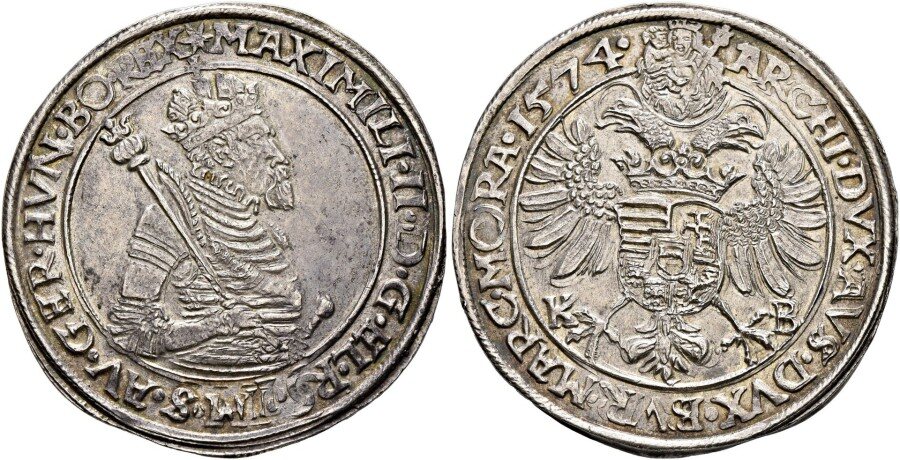
1564–1576Educated partly in Spain but never comfortable with Spanish rigidity, Maximilian ran an unusually tolerant court in Vienna at a time when confessional lines across the empire were hardening. He allowed Protestant nobles freedom of worship in exchange for their political loyalty, and historians have long debated whether he was privately sympathetic to Lutheranism himself. He died before naming a clear plan for the succession, leaving his eldest son Rudolf II an empire already showing the strain of religious division.
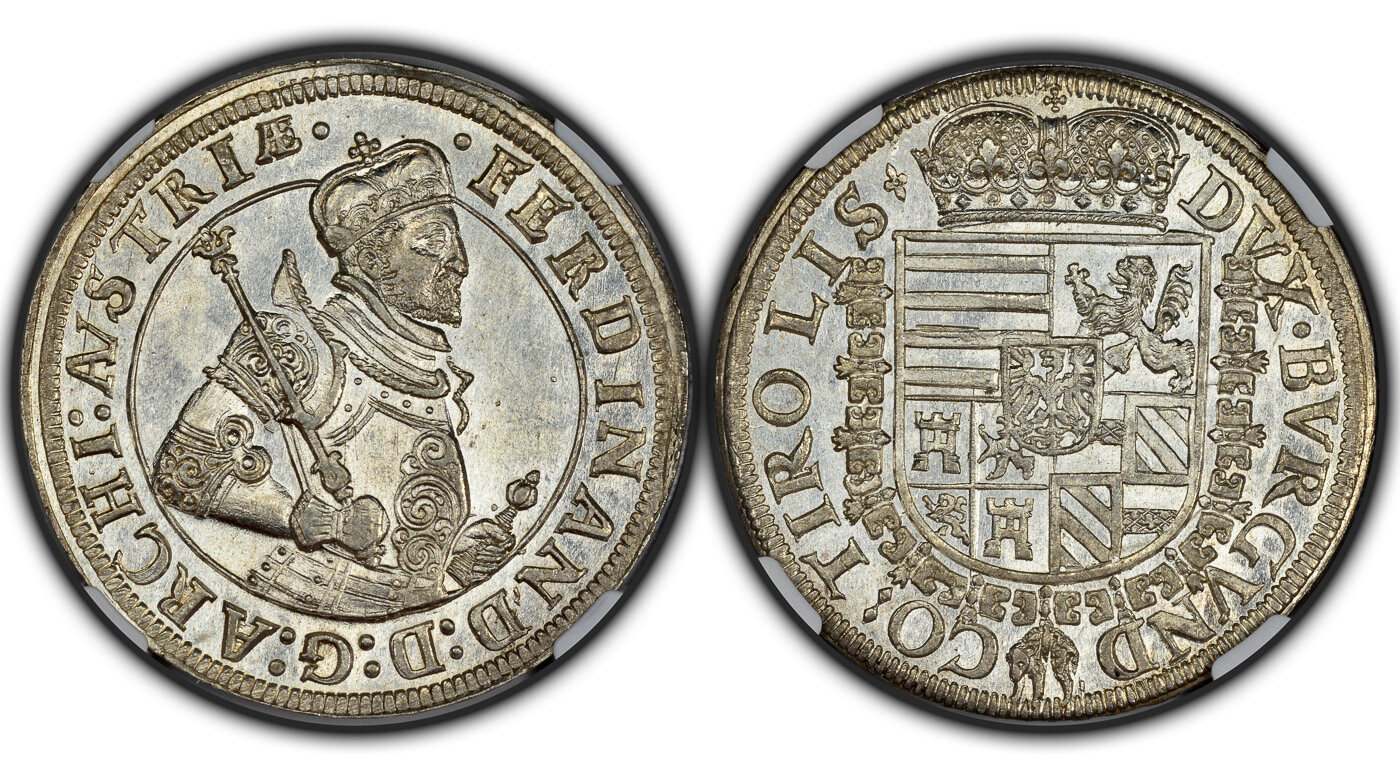
Archduke Ferdinand II of Further Austria
1564–1595Given Tyrol as his share of the family lands, Ferdinand ruled from Innsbruck and became known less for politics than for two lasting passions. He married Philippine Welser, the daughter of an Augsburg merchant family, in a match so far beneath his rank that it was kept secret for years and their children were barred from the succession. At Ambras Castle he assembled one of Europe's great Renaissance collections of armor, art and curiosities, much of which survives as a museum today.
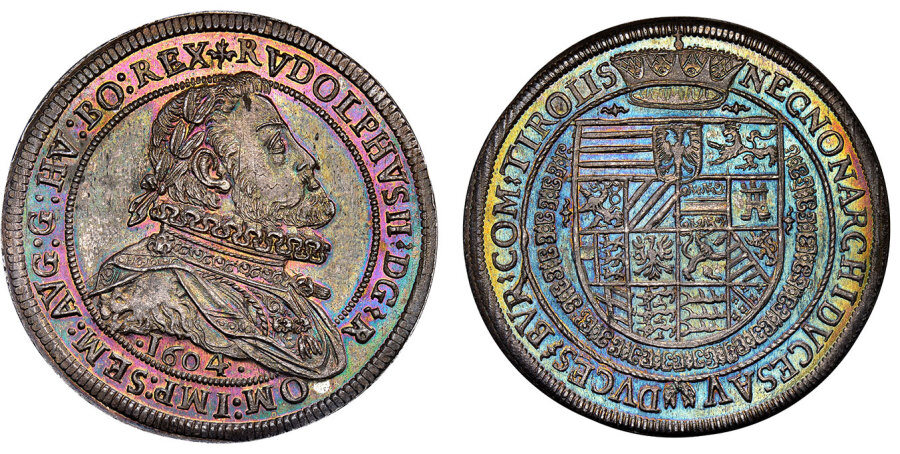
Rudolf II
1576–1612Rudolf moved the imperial capital from Vienna to Prague and turned his court into one of the most extraordinary cultural centers of the age, drawing astronomers Tycho Brahe and Johannes Kepler, painters, alchemists and collectors of exotica from across the known world. He was, by most accounts, a poor administrator: increasingly reclusive, prone to depression, and unwilling to make the political decisions the deepening religious crisis demanded. His own family eventually forced him to cede most of his powers to his brother Matthias in the years before his death.
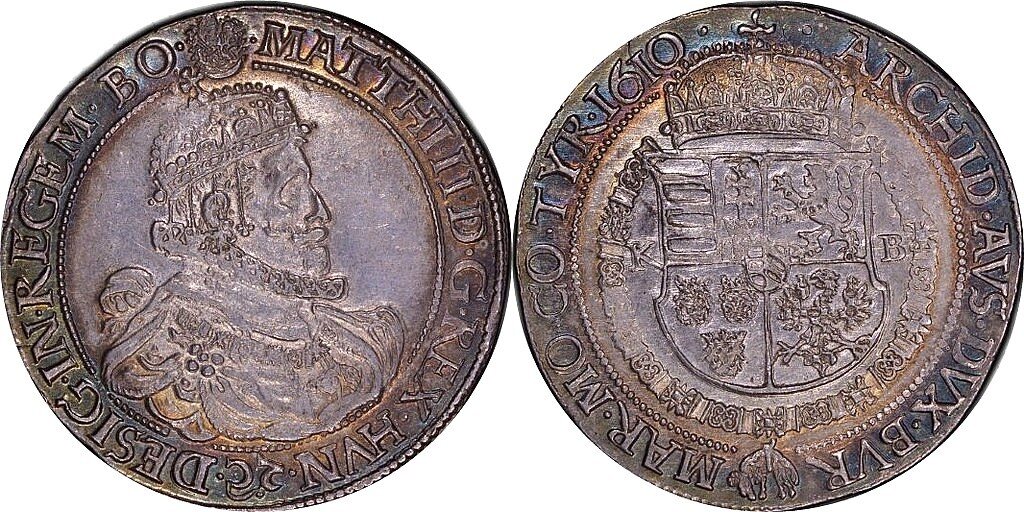
Matthias
1612–1619Matthias spent decades maneuvering against his own brother Rudolf II before finally securing the imperial title for himself, only to find the throne he had fought for offered little real power. Childless and increasingly sidelined by his own advisors, he watched tensions between Catholic and Protestant nobles in Bohemia harden past the point of compromise. He died in 1619, just as those tensions erupted into the Bohemian Revolt that opened the Thirty Years' War.
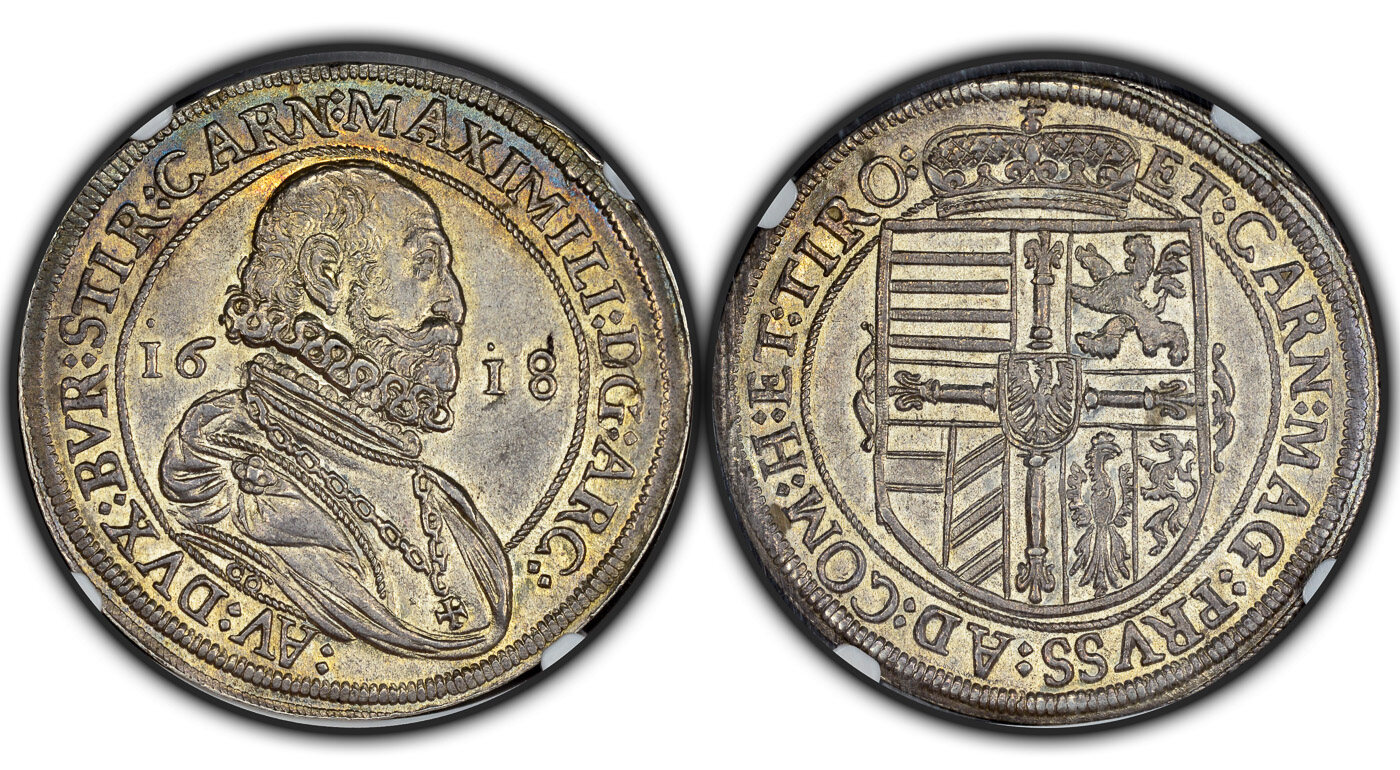
Archduke Maximilian
1612–1618Known within the family as Maximilian the Deutschmeister for his role as head of the Teutonic Order, he governed in Tyrol during the anxious years between Rudolf II's decline and the outbreak of the Thirty Years' War. A committed supporter of the Counter-Reformation, he played a significant role in securing the imperial succession for his cousin Ferdinand II, whose own reign would soon plunge the empire into decades of war.
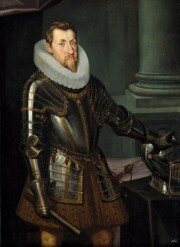
Ferdinand II
1619–1637Raised by Jesuits and deeply committed to rolling back the Reformation, Ferdinand's attempt to impose Catholic uniformity on Protestant Bohemia triggered the famous Defenestration of Prague in 1618 and, with it, the Thirty Years' War. The conflict that followed devastated Central Europe, killing an estimated third of the population in some German territories, yet Ferdinand himself never wavered from his religious course. By the time of his death the war he had ignited was less than halfway over.
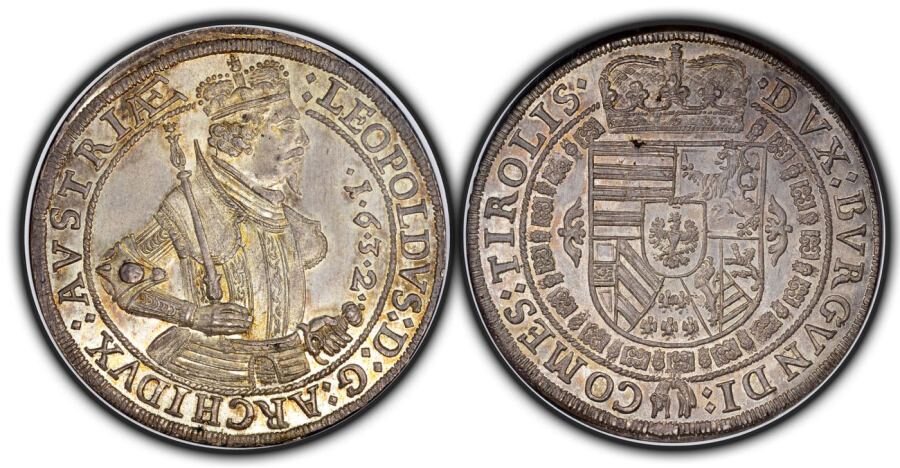
Archduke Leopold V
1619–1632A former cardinal-bishop who set aside his church career to marry and rule Tyrol, Leopold governed the region through the opening decades of the Thirty Years' War while keeping it largely insulated from the worst of the fighting. Under his administration the Hall mint continued striking coin at a steady pace, and Innsbruck remained a relatively stable and prosperous court even as much of the empire descended into chaos around it.
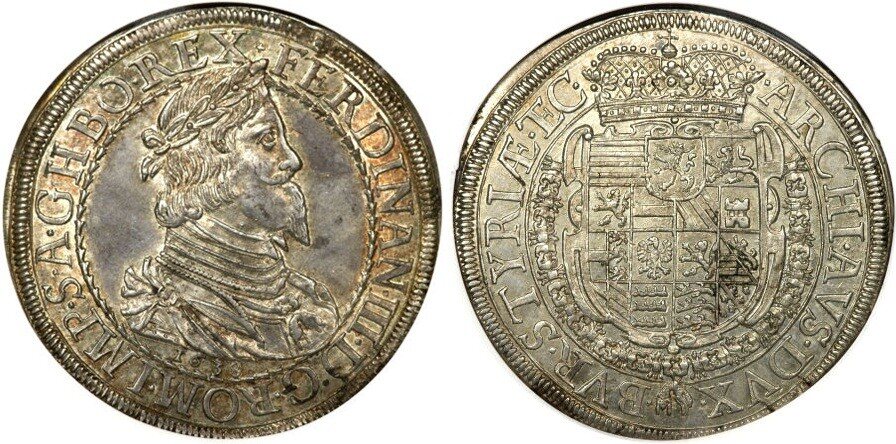
Ferdinand III
1637–1657Unlike his father, Ferdinand III came to see the Thirty Years' War as a catastrophe to be ended rather than a religious cause to be won. He pursued peace negotiations for years despite resistance from hardliners in his own court, and in 1648 the Peace of Westphalia finally closed the conflict, formally recognizing the religious and political independence of the empire's individual states. He was also an accomplished composer, one of the few Holy Roman Emperors to leave behind surviving musical works.
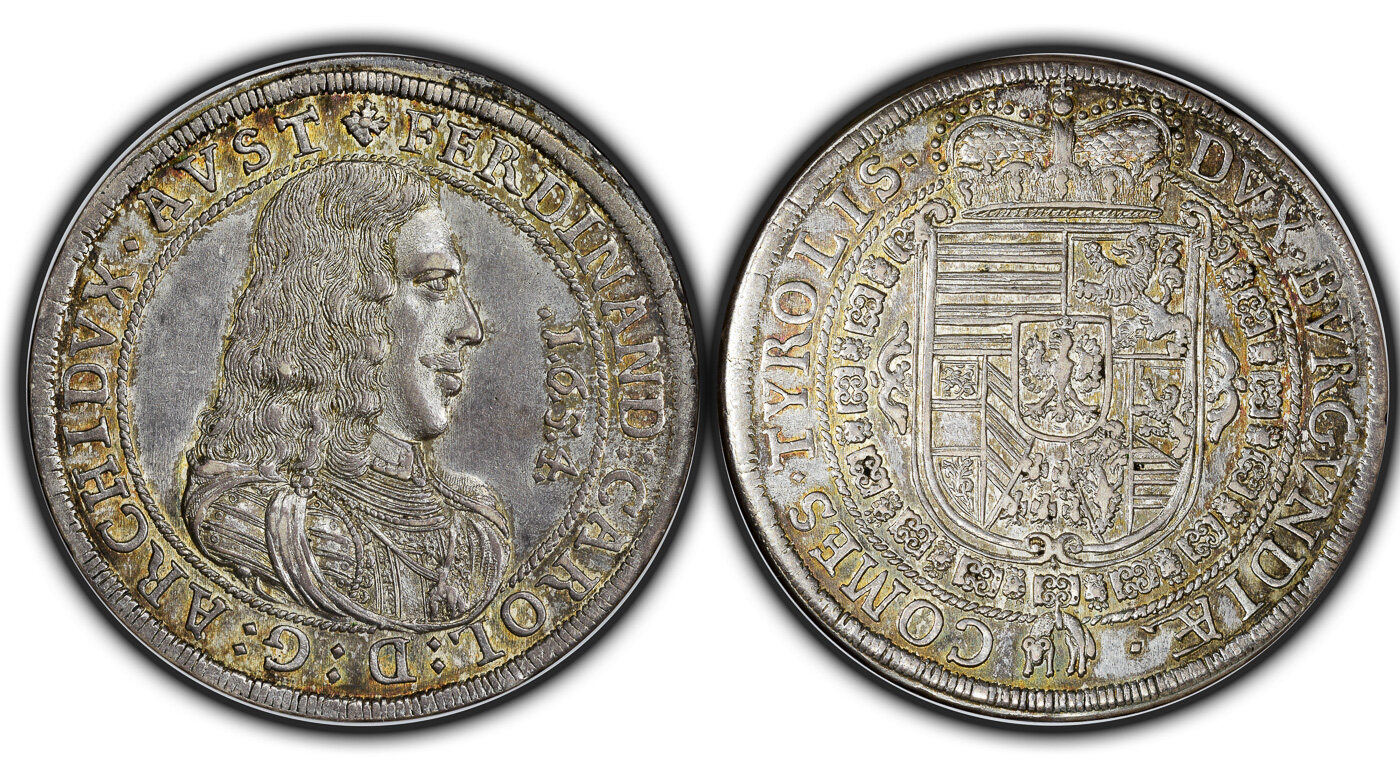
Archduke Ferdinand Charles
1646–1662Coming of age in the exhausted aftermath of the Thirty Years' War, Ferdinand Charles ruled Tyrol through a period of slow recovery for the region's trade, agriculture and minting. His reign was largely uneventful by the standards of his predecessors, which for a territory that had just survived three decades of continental war was itself a kind of achievement.
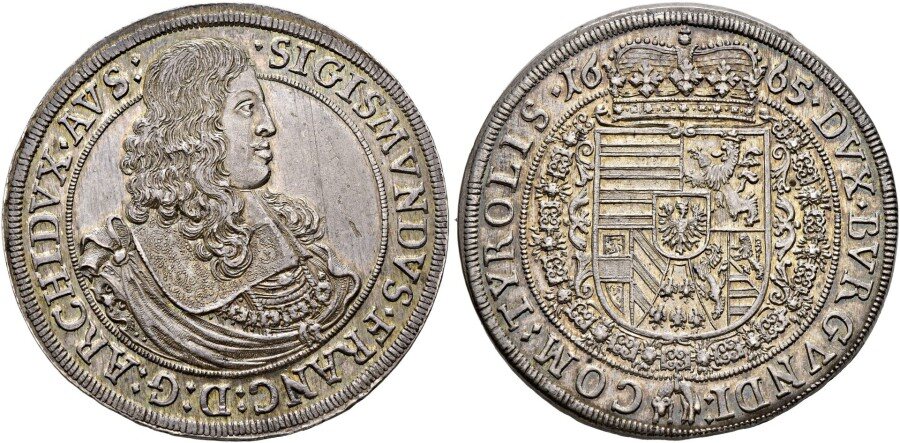
Archduke Sigismund Francis of Further Austria
1662–1665The younger brother of Ferdinand Charles, Sigismund Francis had originally been raised for a career in the church and briefly held bishoprics before inheriting Tyrol on his brother's death. He ruled for barely three years before dying without an heir, ending the separate Tyrolean line of Habsburgs and returning the territory to direct rule from Vienna.
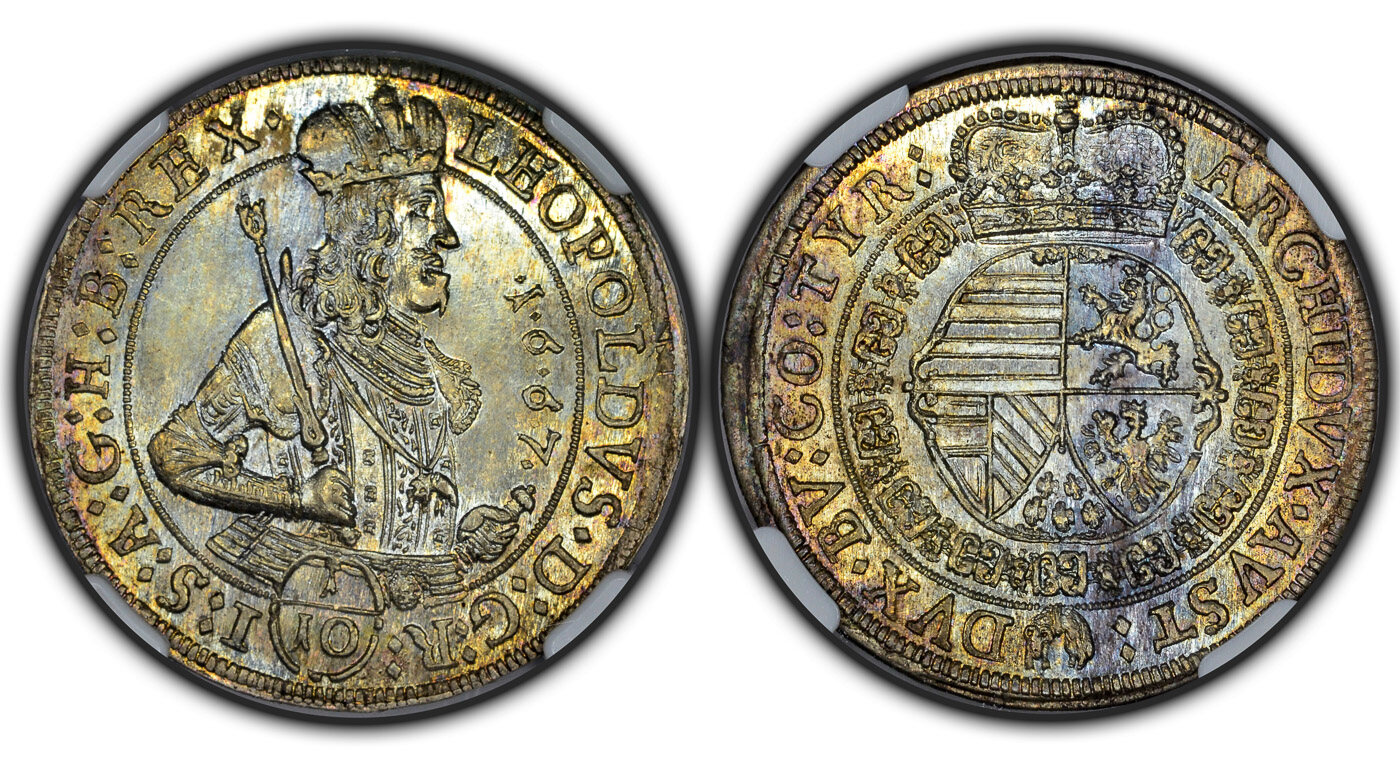
Leopold I
1657–1705Originally educated for the priesthood before the unexpected death of his elder brother made him heir, Leopold went on to become one of the longest-reigning Habsburg monarchs, ruling for nearly half a century. His reign was defined by near-constant warfare: repelling the great Ottoman siege of Vienna in 1683 with the help of a relieving Polish-led army, then fighting a long war against Louis XIV's France over the Spanish succession. Despite the fighting, his court in Vienna became a significant center for Baroque art and music.
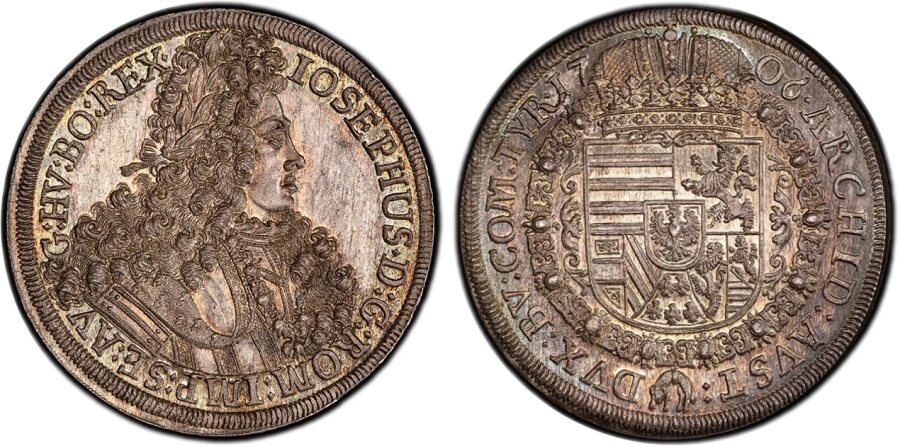
Joseph I
1705–1711Energetic and reform-minded where his father Leopold I had been cautious, Joseph pushed to centralize imperial administration and rein in the independence of the hereditary lands. He continued the war against France inherited from his father with real vigor, but his reign was cut short at just six years when he died of smallpox in his early thirties, passing the throne to his younger brother Charles VI.
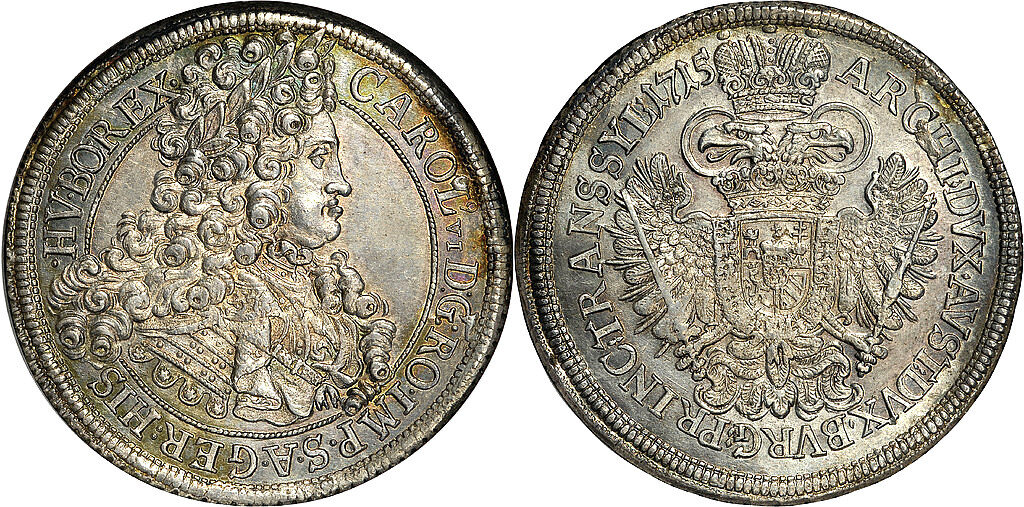
Charles VI
1711–1740Charles had spent years as a claimant to the Spanish throne before inheriting the Austrian Habsburg lands instead, and much of his reign was shaped by an anxiety that had nothing to do with Spain: he had no surviving son. He devoted enormous diplomatic effort to securing international recognition for the Pragmatic Sanction, a legal decree allowing his daughter Maria Theresia to inherit the Habsburg lands intact. The agreements he negotiated would prove far weaker than he hoped the moment he died.
Habsburg-Lorraine Line
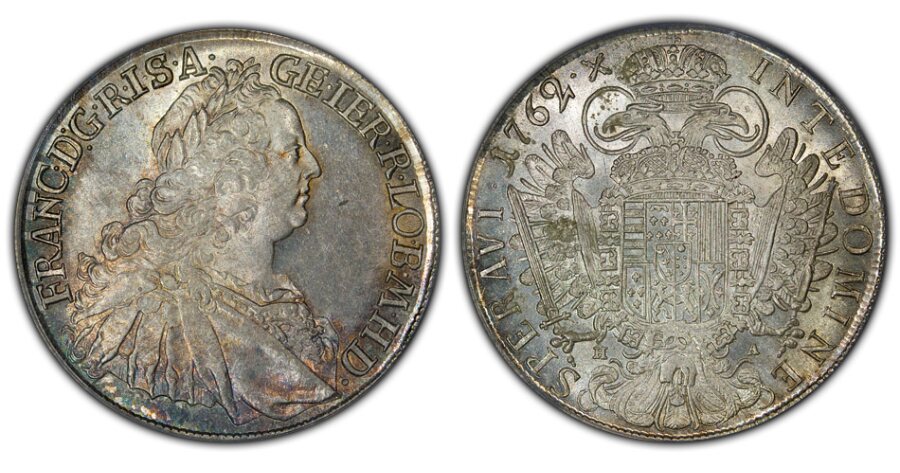
Francis I
1745–1765Duke of Lorraine by birth, Francis gave up his ancestral duchy in exchange for Tuscany as part of the marriage settlement that made him Maria Theresia's husband — a trade that founded the House of Habsburg-Lorraine even as the Habsburg name and tradition continued unbroken. A capable businessman with little taste for politics, he was content to let his far more formidable wife run the empire's affairs while he built one of Europe's great fortunes through banking and industry.
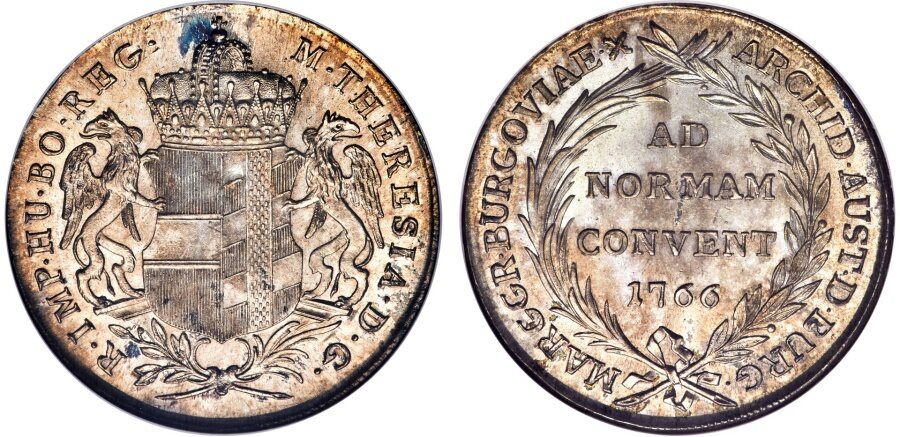
Maria Theresia
1740–1780The only woman ever to rule the Habsburg lands in her own right, Maria Theresia inherited a realm immediately contested by rival claimants and spent the opening years of her reign fighting to keep it. She went on to reform the empire's administration, finances, education and military more thoroughly than any predecessor, while raising sixteen children, several of whom became rulers themselves, including Marie Antoinette of France. The taler struck in her name, frozen at its 1780 design even in later restrikes, became one of history's most widely circulated trade coins, still recognized from the Horn of Africa to the Arabian Peninsula generations after her death.
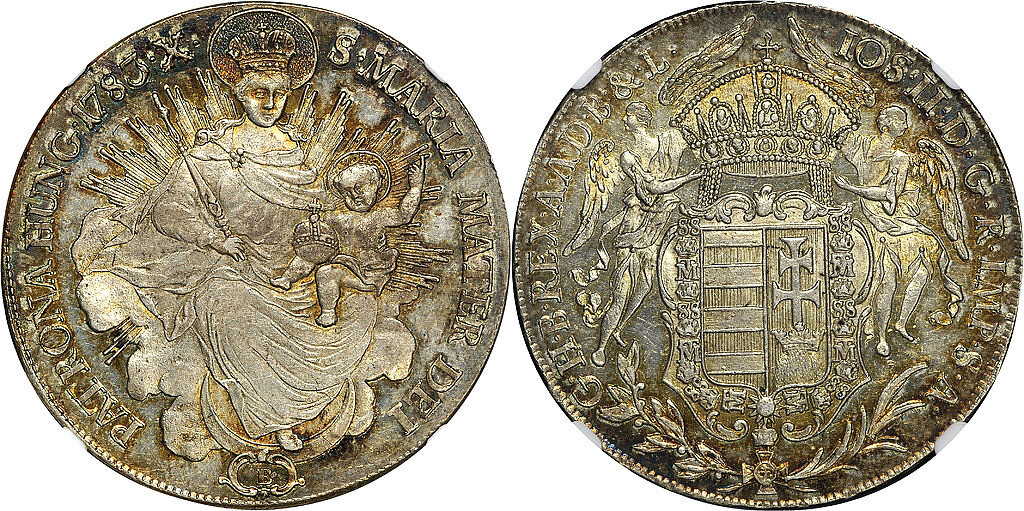
Joseph II
1780–1790A true believer in Enlightenment reform, Joseph used his decade in power to abolish serfdom, expand religious toleration to Protestants and Jews, and strip away centuries of church and noble privilege in a single sustained burst of legislation. The pace proved to be his undoing: reforms imposed from above, without regard for local custom or consent, provoked revolts from the Austrian Netherlands to Hungary, and on his deathbed he is said to have asked that his own epitaph read that his good intentions had come to nothing.
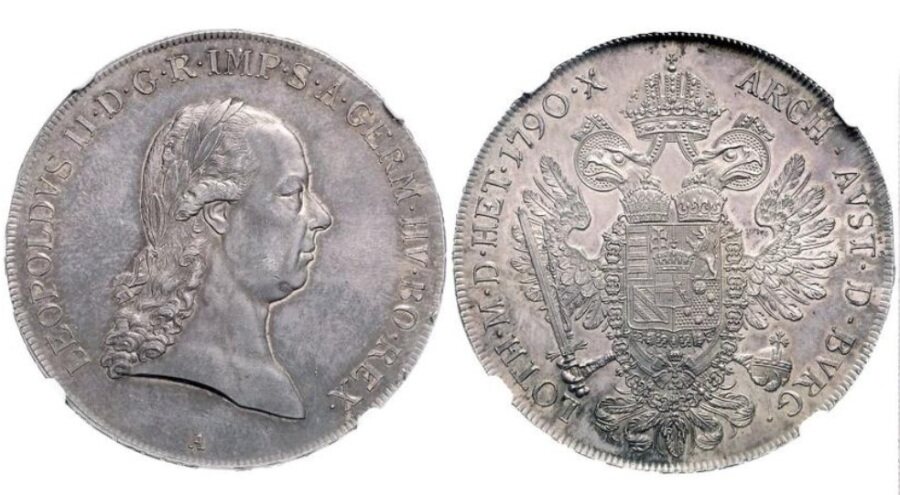
Leopold II
1790–1792Summoned from a successful, moderate reign as Grand Duke of Tuscany to clean up after his brother Joseph II's upheavals, Leopold spent his brief two years on the throne rolling back the most unpopular reforms while trying to keep the peace as revolutionary France descended into crisis on the empire's doorstep. He died suddenly in 1792, just weeks before war with France broke out — a conflict that would consume the reign of his son and successor, Francis II.
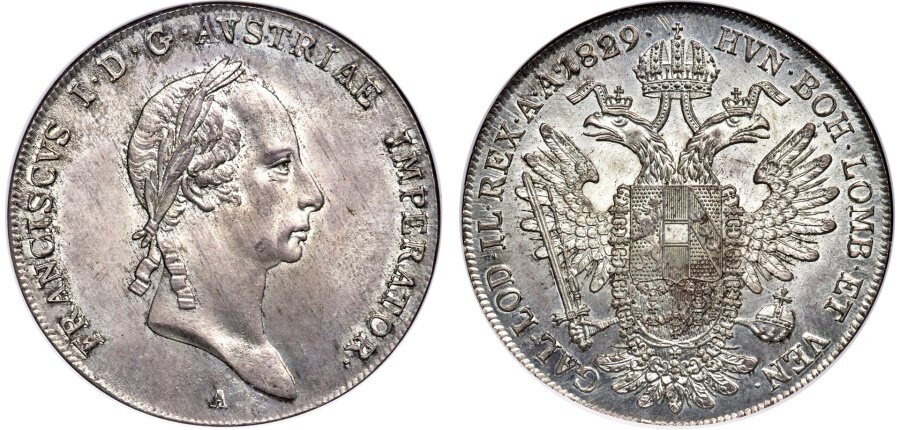
Francis II
1792–1835Francis spent most of his reign at war with Revolutionary and then Napoleonic France, suffering repeated military defeats that steadily eroded imperial authority. In 1804, sensing the old title's days were numbered, he preemptively declared himself hereditary Emperor of Austria; two years later, with Napoleon's Confederation of the Rhine formally ending German unity under the empire, he dissolved the Holy Roman Empire outright — the first and only time in history an empire simply ceased to exist by its ruler's own decree. He spent his remaining decades rebuilding Austria's position at the post-Napoleonic Congress of Vienna.
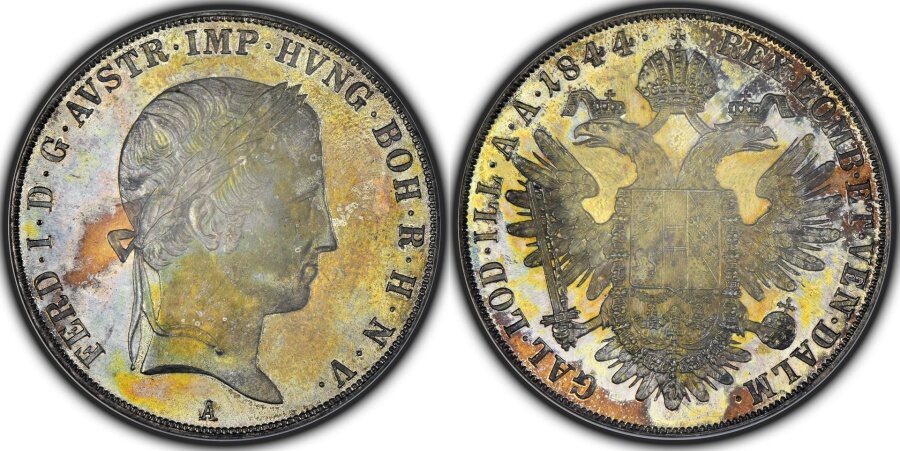
Ferdinand I of Austria
1835–1848Epileptic since childhood and widely regarded as unfit to govern, Ferdinand reigned as a figurehead while real power rested with his chancellor, Klemens von Metternich, and a council of regency. Kindly and well-liked despite his limitations — hence his popular nickname, “Ferdinand the Benign” — he abdicated without resistance during the Revolutions of 1848, stepping aside for his eighteen-year-old nephew Franz Joseph in the hope that a younger ruler could better weather the crisis.
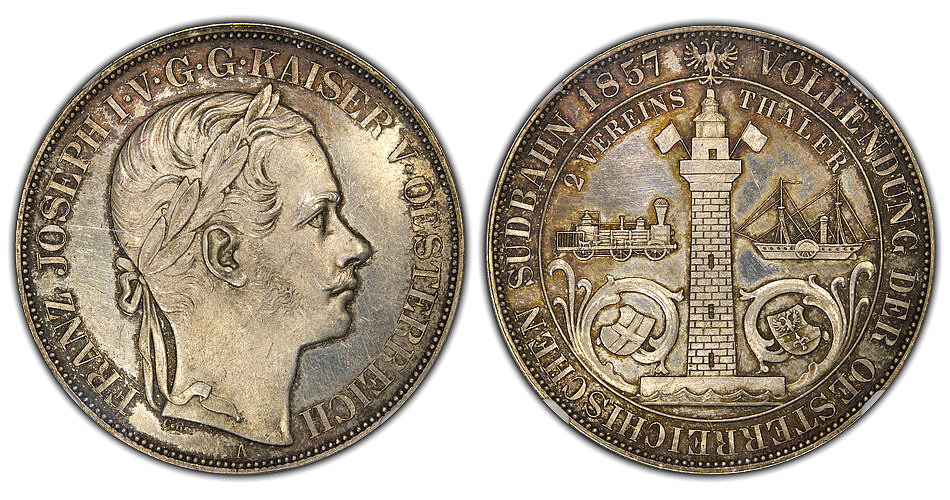
Francis Joseph I
1848–1916Thrust onto the throne at eighteen amid the chaos of 1848, Francis Joseph went on to reign for sixty-eight years, longer than any other Habsburg monarch. His rule saw the empire reorganized as Austria-Hungary in 1867, survived military defeats by both France and Prussia, and absorbed personal tragedies including the suicide of his son and heir and the assassination of his wife. It ended only with his death in 1916, in the middle of the First World War his own empire's declaration had set in motion — a war triggered by the assassination of his own designated successor, his nephew Franz Ferdinand.